From January 30 to February 1, 2026, the academic conference titled “Theory and Applications of Neurodynamic Algorithms for Multi-Agent Systems,” hosted by the School of Mathematical Sciences at Shenzhen University, was successfully held at the Yuehai Campus of Shenzhen University. The conference was organized by Professors Feng Jiqiang and Li Feipeng from Professor Xu Chen’s research team under the National Key Research and Development Program. It focused on the cutting-edge theories of neural dynamics algorithms and their practical engineering applications, laying a solid foundation for technological innovation and the commercialization of research outcomes in related fields.
The conference brought together 36 experts and scholars from 27 institutions, including Peking University, Huazhong University of Science and Technology, Southeast University, Lanzhou University, Beijing Institute of Technology, Chongqing University, City University of Hong Kong (Shenzhen), Shenzhen University of Science and Technology, and Huawei. Among them were four National High-Level Talents and four National High-Level Young Talents, representing disciplines such as mathematics, control, and communications, thereby achieving deep integration among industry, academia, research, and application.
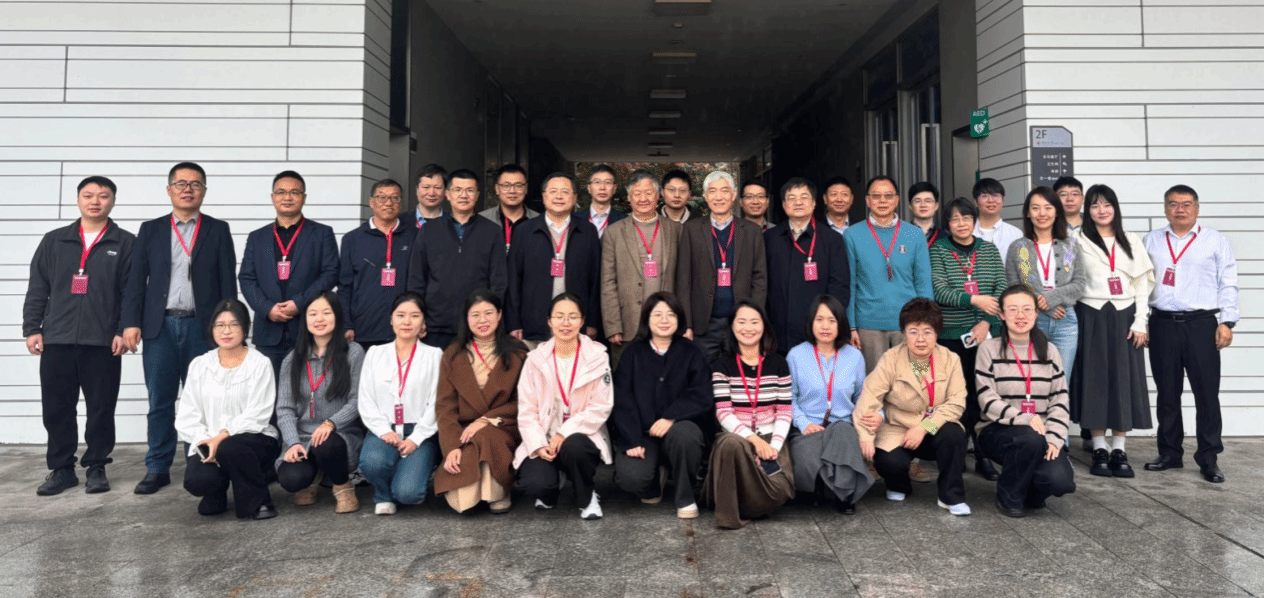
During the conference, Professor Xu Chen, the academic leader of the National Key Research and Development Program project, extended a warm welcome to the attending experts and scholars. He shared Shenzhen University’s development history and achievements in discipline construction, and discussed changes in research methodologies in the context of AI, encouraging participants to focus on core technical challenges and strengthen collaboration and synergistic innovation. Professor Wang Jun, an IEEE Life Fellow, expressed gratitude for the organizers’ meticulous arrangements. Drawing on his own research experience, he introduced the latest research frontiers in neural dynamics algorithms and the technology’s extensive application scenarios in engineering, thereby broadening the academic horizons of the attending scholars.
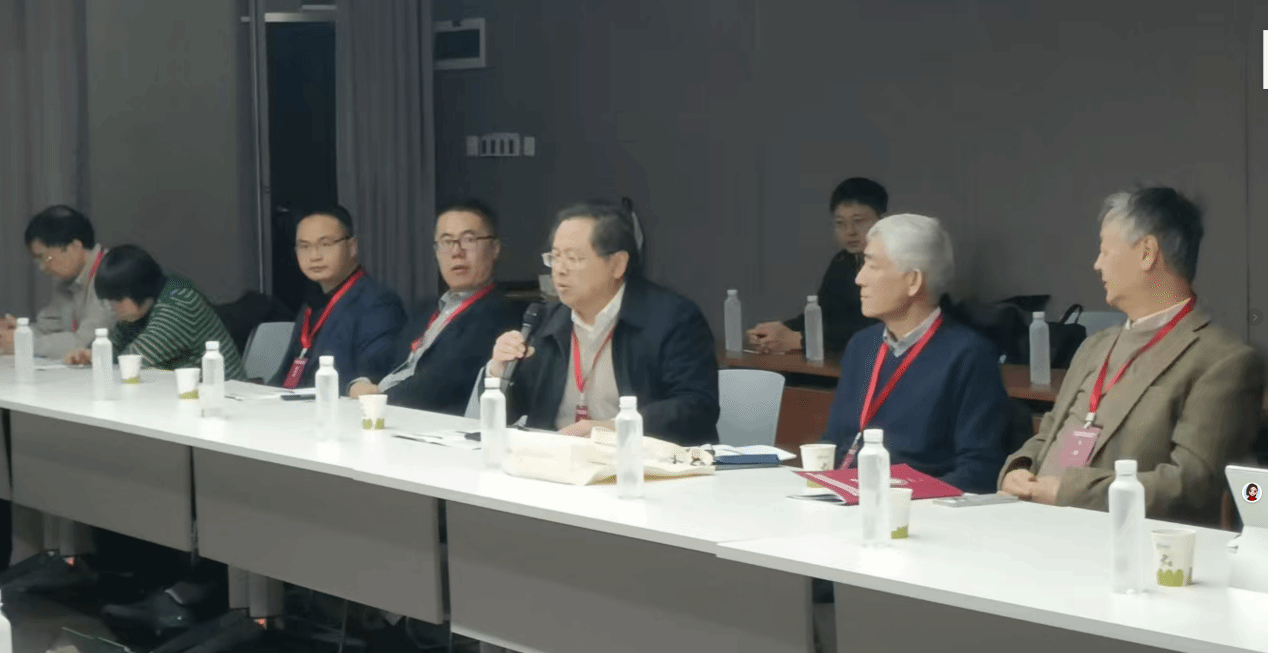
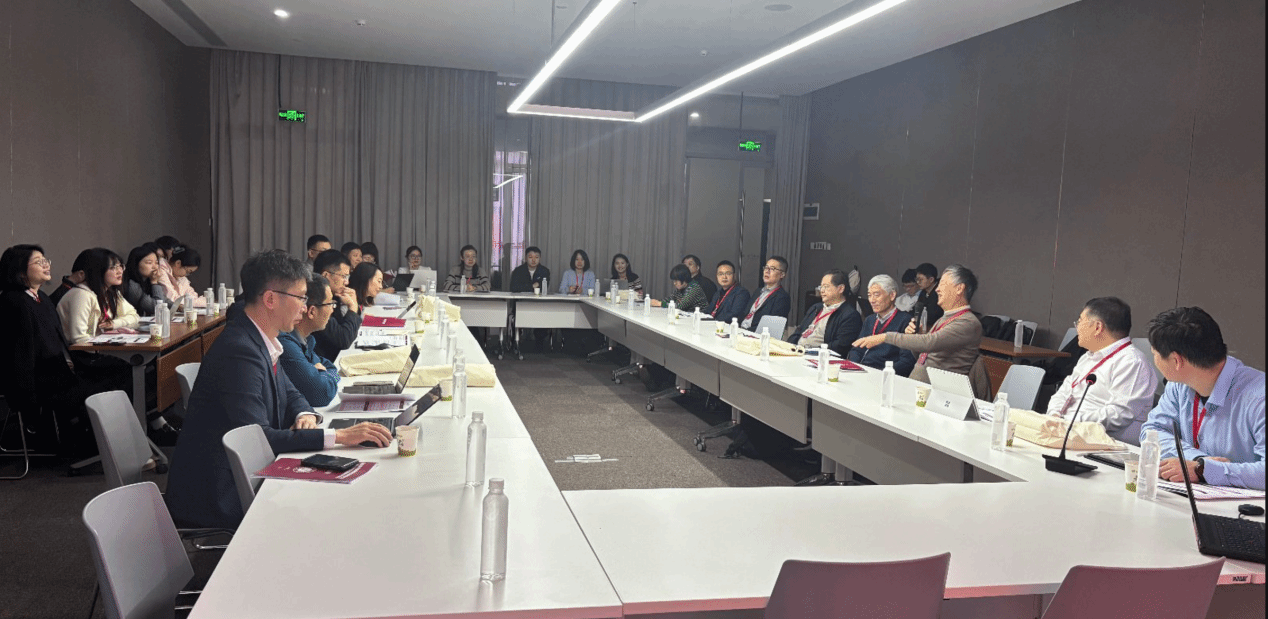
During the technical session on January 31, eight experts and scholars—including Professor Zeng Zhigang from Huazhong University of Science and Technology, Professor Wu Yuhu from Dalian University of Technology, Professor Xu Wenying from Southeast University, and Professor Jin Long from Lanzhou University—delivered keynote presentations in succession, sharing their latest research findings. Presentation topics included research on autonomous intelligent systems based on associative memory mechanisms, deep network architecture design based on neural differential equations, and cooperative control in open networks under resource constraints, covering multiple core directions in multi-agent system research. Professor Wang Jun and Professor Wang Deliang from The Chinese University of Hong Kong, Shenzhen, provided insightful comments on the presentations, while attending scholars engaged in lively discussions, exchanged views, and sparked intellectual exchanges around the content of the reports.
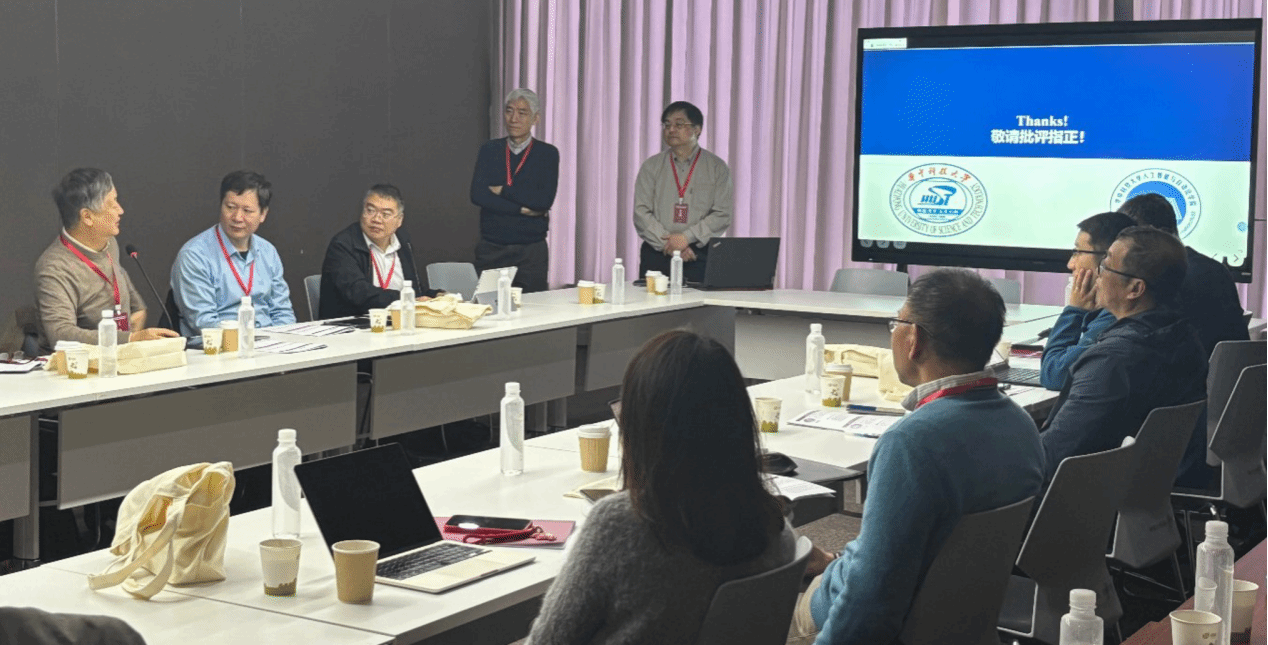
Finally, Associate Professor Feng Jiqiang, principal investigator of the National Key Research and Development Program project, delivered the closing remarks. He reviewed the conference’s preparations and outcomes, expressed gratitude to the experts and scholars for their dedicated contributions and in-depth discussions, and stated that the research team would consolidate the consensus reached at the conference and incorporate cutting-edge theories and new methodologies. This conference holds significant importance for the smooth progress of the National Key Research and Development Program project.



