To broaden students’ international academic horizons, enhance their research capabilities in cutting-edge fields, and improve their cross-cultural communication skills, the School of Mathematical Sciences at Shenzhen University (hereinafter referred to as “our School”) organized a seven-day summer study program for 16 outstanding undergraduate students at the University of Hong Kong (HKU) from July 19 to 25, 2026. The program was led by Ms. Xiao Xiaolu, an organizational officer at the School.
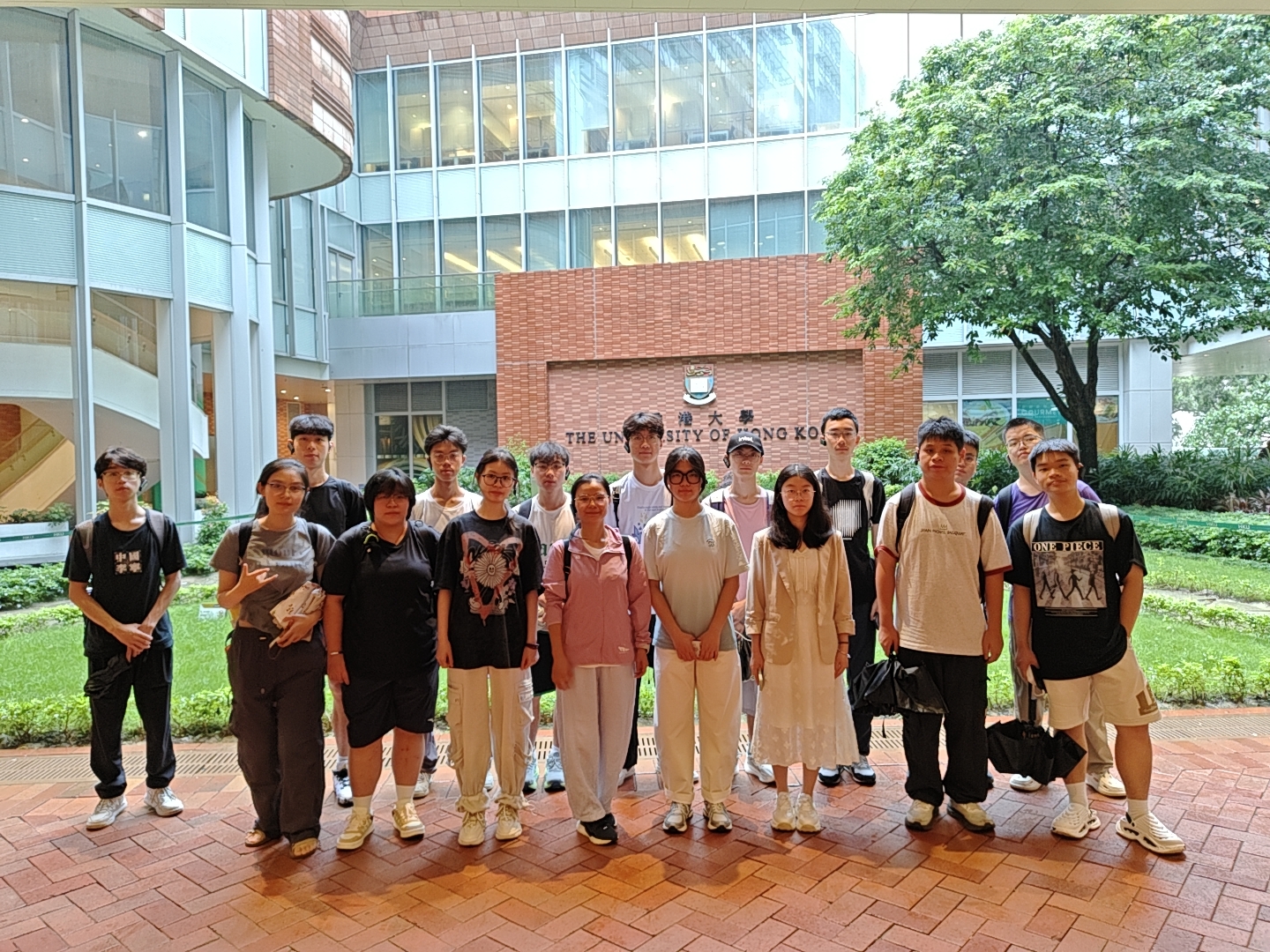
At the outset of the program, all participants visited The University of Hong Kong in person. By touring the university’s teaching areas, library, and campus facilities, and engaging in brief exchanges with student representatives, the participants gained firsthand insight into the university’s educational system, research environment, and international academic atmosphere, laying a solid foundation for their subsequent studies.
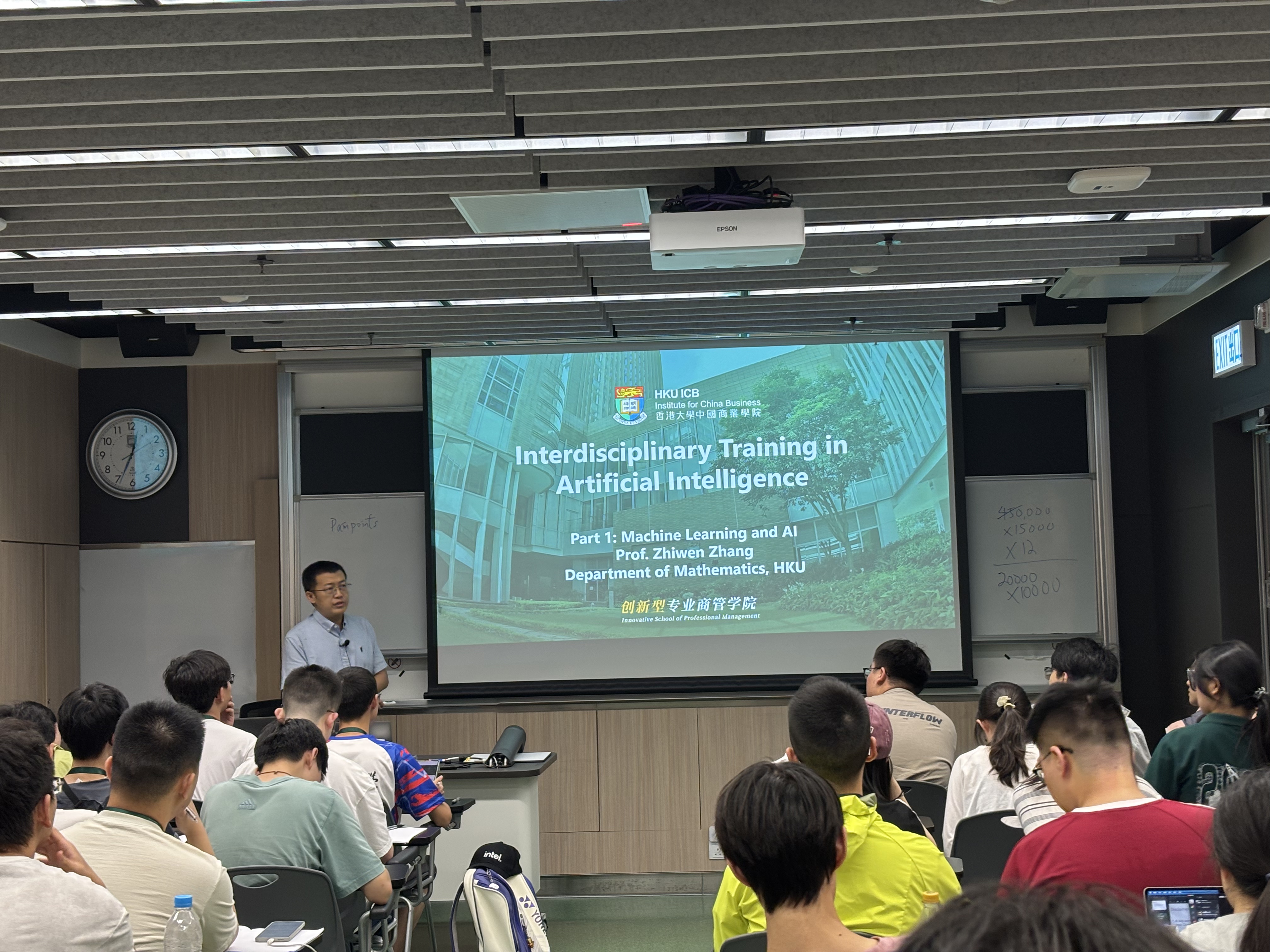
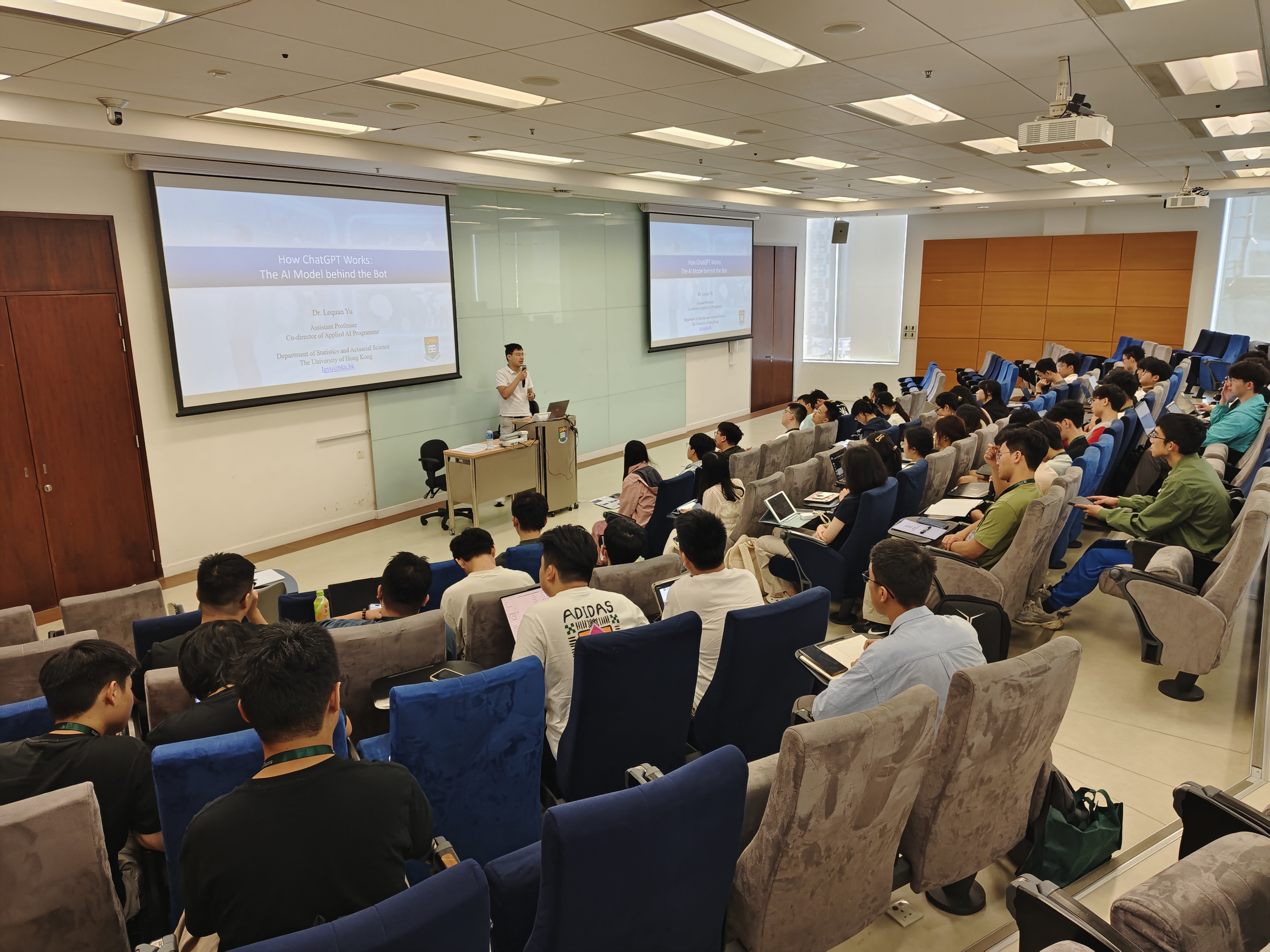
The core component of the program took place on the University of Hong Kong campus. The participants systematically attended a short-term intensive course on “Artificial Intelligence and Technological Innovation” taught by professors from relevant fields at the University of Hong Kong. The course content covered big data and business intelligence, interdisciplinary training in artificial intelligence, large language models, statistics, and artificial intelligence. Through lectures, practical demonstrations, and targeted exercises, the participants deepened their theoretical understanding of cutting-edge fields in artificial intelligence and technological innovation, while enhancing their comprehension and application skills regarding related technical methods.
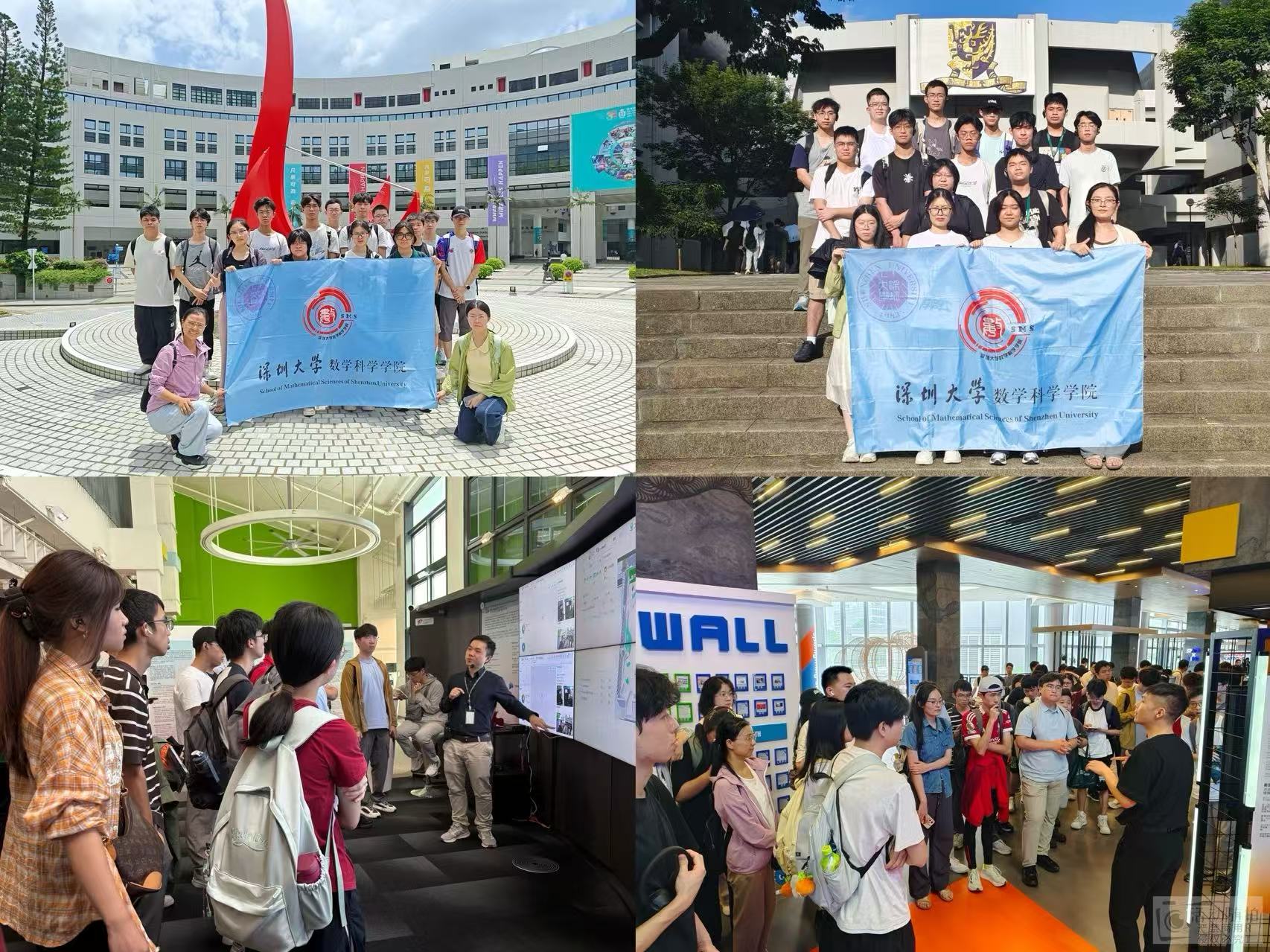
Midway through the program, visits were arranged to the Hong Kong University of Science and Technology, the Chinese University of Hong Kong, Hong Kong Zero Carbon Park, and the Hong Kong Science Park. These visits were designed to provide participants with a more comprehensive understanding of Hong Kong’s higher education system, green building and environmental protection initiatives, as well as the development of Hong Kong’s technology enterprises and the policy support available to them. Through briefings, exhibitions, and interactive Q&A sessions, the participants gained valuable insights into Hong Kong’s higher education system and how technology and management tools can be leveraged to promote sustainable social development and technological innovation.
As the program drew to a close, the participants were divided into two groups. Drawing on the knowledge acquired from the courses on artificial intelligence and technological innovation, they conducted research on self-selected topics and prepared for their final presentations. Thanks to meticulous organization and thorough preparation, the team composed of our students delivered an outstanding performance during the defense. The logical rigor, innovation, and on-site presentation of their research findings were highly commended by the University of Hong Kong’s panel of experts. Ultimately, they successfully passed the defense and received their program completion certificates.
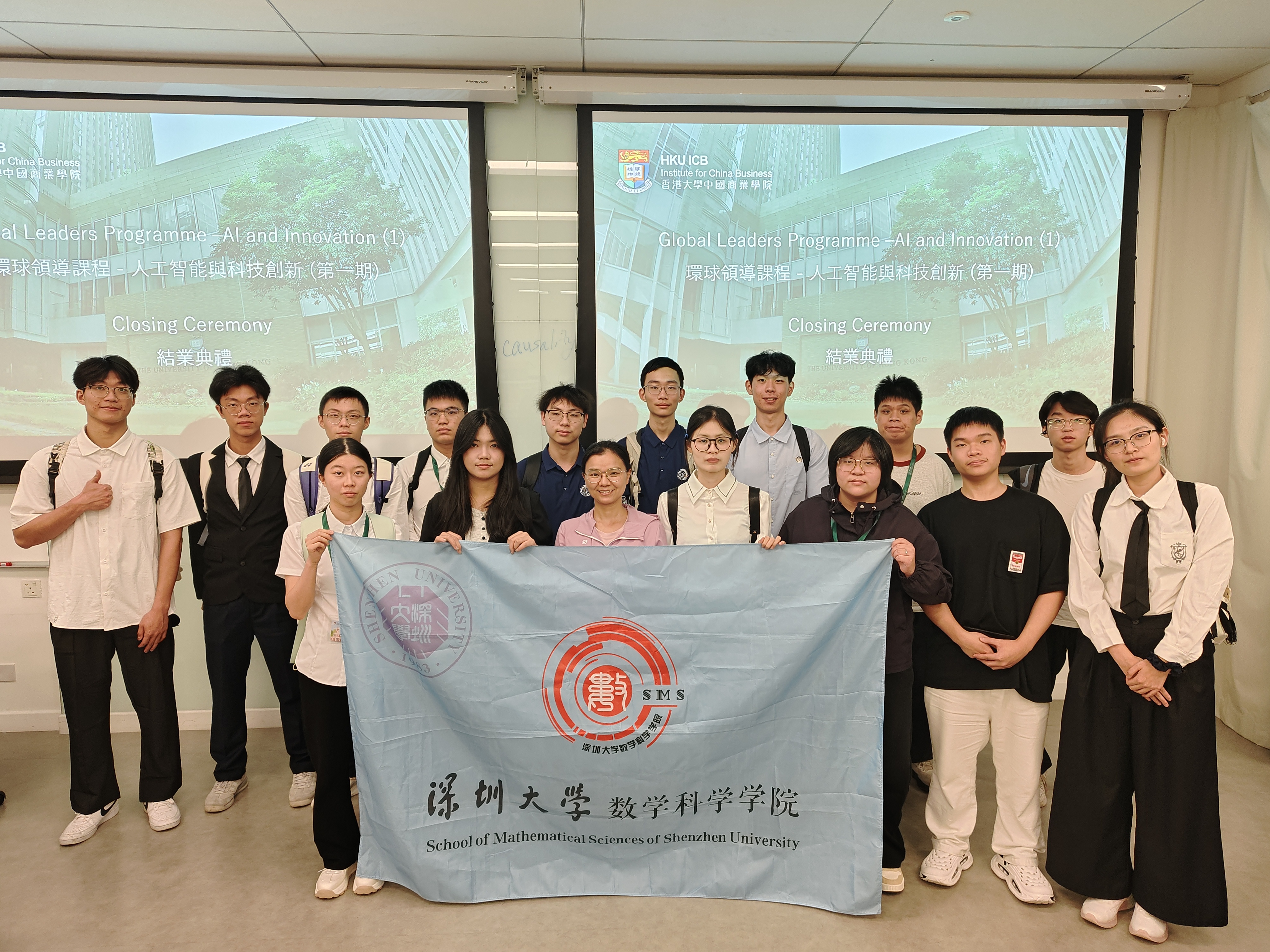
With this, the 2026 University of Hong Kong Summer Study Abroad Program organized by the School of Mathematical Sciences at Shenzhen University was successfully concluded. This study abroad experience at the University of Hong Kong yielded significant results. Not only did the participants systematically study cutting-edge knowledge in artificial intelligence and technological innovation, experience firsthand the teaching and research environments at an internationally renowned university, and gain an in-depth understanding of Hong Kong’s advanced practices in sustainable development and technological innovation, but they also received practical training in cross-cultural communication, teamwork, and academic expression. The program effectively ignited our students’ enthusiasm for learning, broadened their international horizons, and provided valuable experience for their future academic development and skill enhancement.



